Collision load management
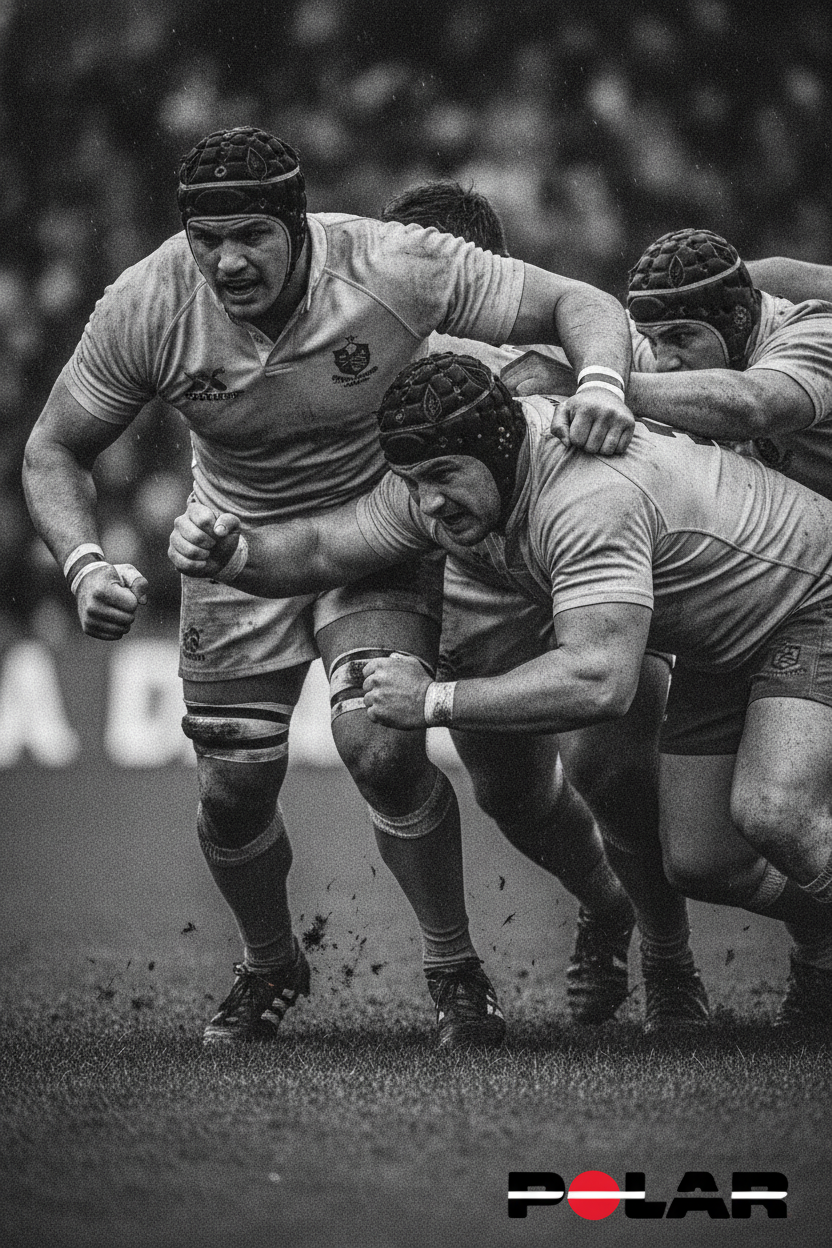
Quantify collision count and impact alongside running load, and correlate it with wellness and readiness so high-contact fatigue is managed, not guessed.
Strong is the performance intelligence platform for rugby league. It manages collision load, high-impact density, recovery, and availability in one view, so every body that fronts up is read from the same truth.
Your S&C coach reads running and collision load in one system. Your medical team logs injuries and rehab in another. Your nutritionist works from spreadsheets. The head coach gets three reports and reconciles them before naming a side. In a game built on relentless high-impact collisions across a brutal season, fragmented data hides accumulating contact load, lets soft-tissue and contact injuries build unseen, and turns availability into guesswork. You have the player data. You do not yet have the single source of truth that rugby league performance management demands.
Strong does not replace your staff. It unifies their data into one objective view of every player, so decisions on collision load, recovery, and matchday availability become faster, clearer, and backed by a complete narrative.
Total distance, high-speed running, collision count, and the accelerations and decelerations that drive contact fatigue. The load bars render a session as one readable set, each metric scaled to its own ceiling so a director sees how hard today was at a glance, with the standout marked by shape and label, never colour alone.
The Performance Clock movement metrics for one session, each against its own typical ceiling.
Quantify collision count and impact alongside running load, and correlate it with wellness and readiness so high-contact fatigue is managed, not guessed.
Model the density of repeated high-impact efforts within a game and across a week, the load profile that defines league more than any other.
Manage cumulative collision and running load across a relentless fixture list, so your key players are fit for the run home, not breaking down before it.
Track acute and chronic load against an individual baseline, so a player trending toward injury is flagged to the right staff before it costs availability.
A front-rower's collision load is not a fullback's running load. Strong reads load by position so the numbers mean what they should for each player.
Track development on one consistent methodology from the top grade through the pathway, so every player is read on the same axes.
Your investment in technology is safe. Strong is hardware-agnostic, built to ingest the tools your club already trusts. Connect your GPS and collision-tracking provider, your Polar or Garmin heart-rate monitors, your force plates, and your medical records. Strong is the intelligence layer that standardises every stream, so you finally see the complete picture without changing the devices your staff rely on.
The Performance Clock movement metrics for one session, each against its own typical ceiling.
We tracked terabytes of collision and GPS data, but it sat in silos away from our medical records. Strong unified it. We now read a player's contact load, recovery, and rehab on one screen, and our availability calls are faster and far more objective. It is the most significant piece of league software we have adopted.
Move your club beyond fragmented spreadsheets and disconnected systems. Implement a unified, objective approach to rugby league athlete management and unlock the potential of your whole squad.