Ergometer and on-water load
Bring erg splits and on-water work into one load picture, so a session indoors and a session on the water are read on the same scale rather than living in separate logs.
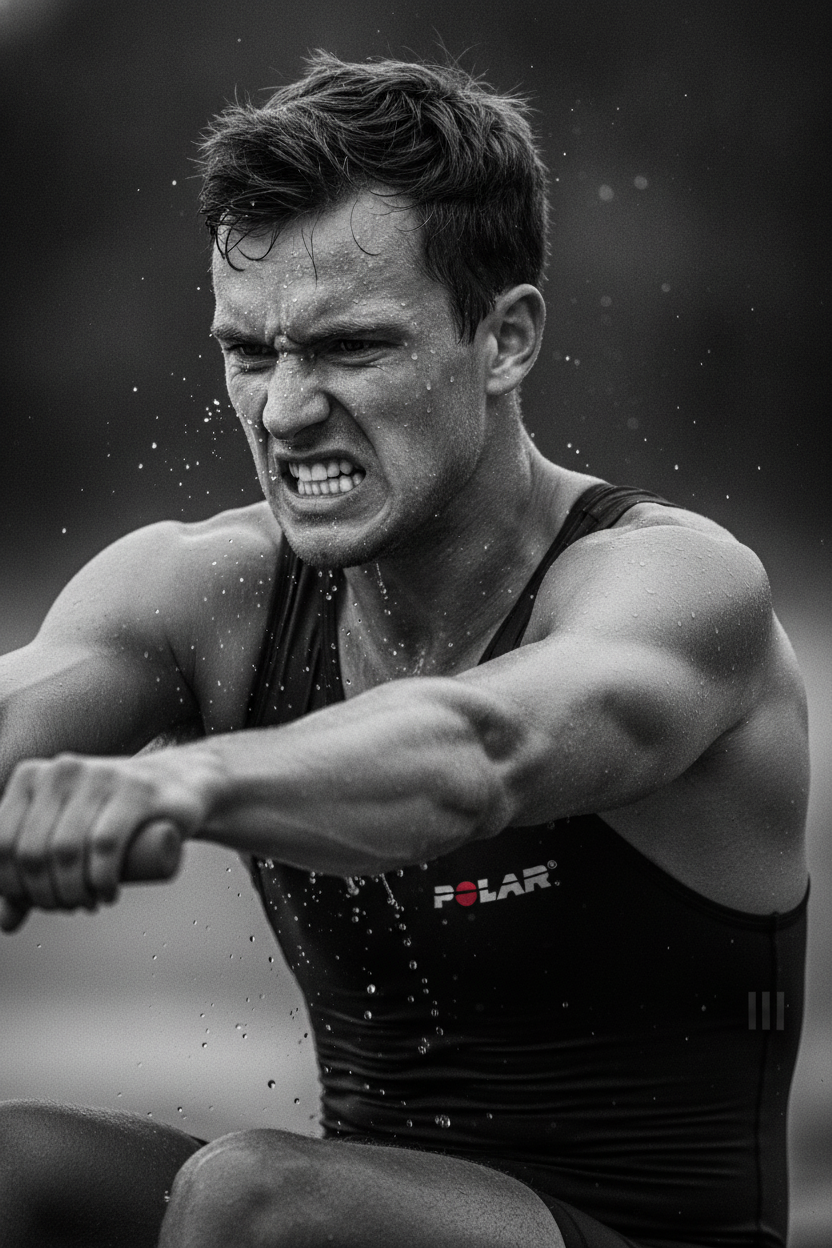
Strong is the performance intelligence platform for elite rowing. It unifies ergometer data, on-water work, and staff reports into one record, so coaches manage load, prevent the injuries rowing is known for, and bring a crew to its peak for championship season.
Your S&C staff read ergometer splits in one system. Your physiotherapist logs ribs, lumbar spine, and rehab progress in another. Your nutritionist works from spreadsheets to hold energy availability against enormous training volume. The head coach gets three reports and tries to reconcile them before crew selection. In a sport built on relentless aerobic volume and a single championship regatta to aim at, fragmented data hides risk, lets rib-stress and lumbar load build unseen, and turns seat selection into guesswork. You have the athlete data. You just do not have the single source of truth rowing performance management demands.
Strong does not replace your coaches, physiotherapists, and nutritionists. It unifies their data into one objective view of every athlete and every crew, so decisions on training load, availability, and selection become faster, clearer, and backed by a complete narrative.
Ergometer distance, on-water distance, time at threshold, and the stroke count that quietly accumulates rib and lumbar load. The load bars render a session as one readable set, each metric scaled to its own ceiling so a coach sees how hard today was at a glance, with the standout marked by shape and label, never colour alone.
The Performance Clock movement metrics for one session, each against its own typical ceiling.
Bring erg splits and on-water work into one load picture, so a session indoors and a session on the water are read on the same scale rather than living in separate logs.
A crew is only as durable as its least recovered seat. Read load and readiness across every athlete in the boat, so the whole eight is managed, not just the stroke.
Rib stress fractures and lumbar load are rowing's signature injuries. Watch cumulative stroke and aerobic load against an individual baseline, and flag the at-risk athlete early.
A rowing year aims at one regatta. Use load management to taper precisely, so a crew peaks for the championship final rather than leaving its best on the training lake.
Aerobic volume in rowing is enormous. Hold nutritional intake against training-load expenditure, so under-fuelling is caught before it costs health or speed.
Bring erg scores, on-water data, wellness, and medical status together so seat racing and crew selection start from one shared, objective picture.
Your investment in technology is safe. Strong is hardware-agnostic, built to ingest the tools your program already trusts. Connect your ergometers, on-water instrumentation and stroke-rate data, heart-rate monitors from Polar and Garmin, and your medical records. Strong is the intelligence layer that standardises every stream, so you finally see the complete picture without changing the equipment your squad relies on.
The Performance Clock movement metrics for one session, each against its own typical ceiling.
Our erg data, on-water work, and physio notes used to live in three places, and energy availability was a spreadsheet nobody trusted. Strong unified it. We taper with far more confidence now, and we caught two athletes trending toward rib stress before it sidelined them. Our selection conversations are objective for the first time.
Move your program beyond fragmented spreadsheets and disconnected systems. Implement a unified, objective approach to rowing athlete management and bring a more resilient crew to championship season.