Movement-quality scoring
Turn a movement screen into a tracked score, so a decline in how an athlete moves is a trend you can see, not a one-off observation that gets lost.
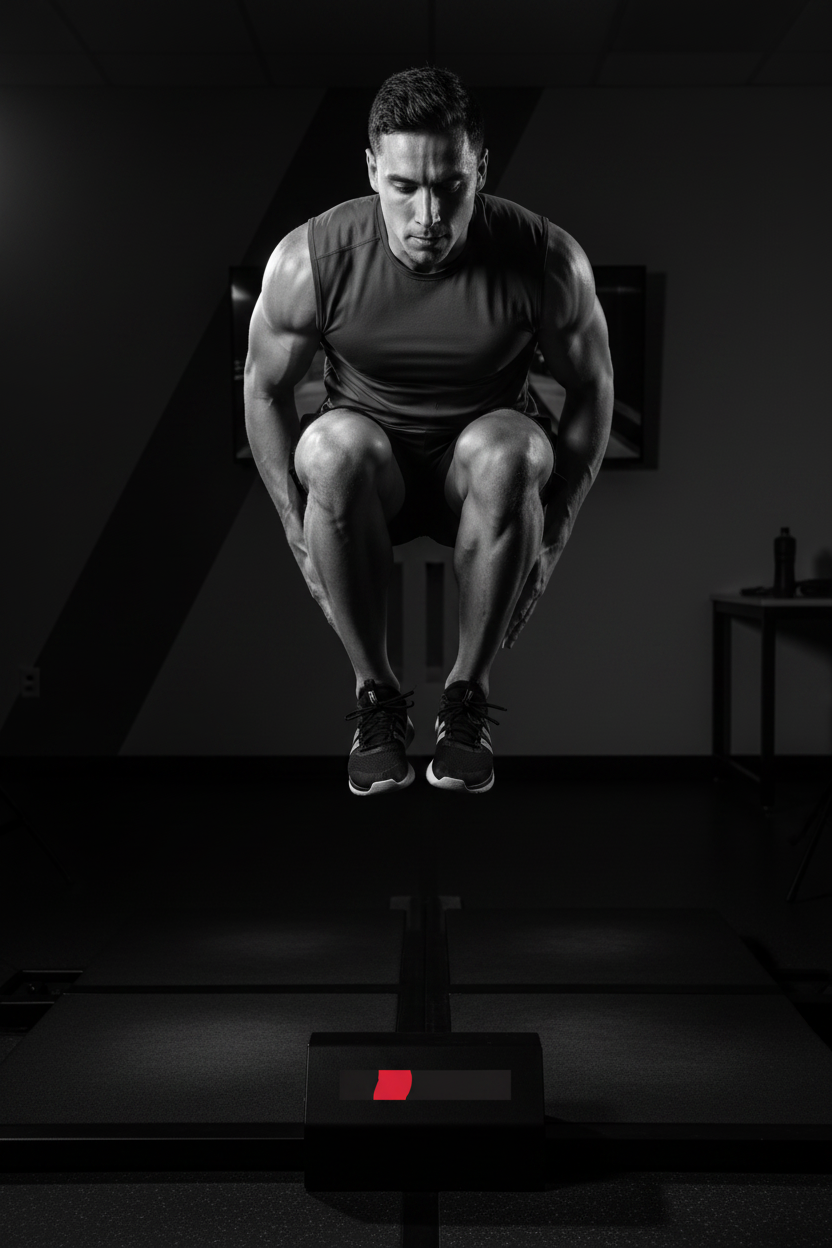
Powered by VALD. Strong turns force-plate output, movement-quality scoring, and left-right asymmetry into one read on your athlete shared platform, so a problem in the way a body moves reaches you before it reaches the injury report.
A dual force plate measures a five percent left-right imbalance the eye would miss. A movement screen flags a drop in jump quality. But that data lives in the testing software, exported as a PDF and filed, disconnected from the athlete's load, recovery, and medical history. The earliest, most objective signal you have about a body under strain sits in a silo, read once and forgotten, instead of feeding the decision it should change.
Strong integrates VALD biomechanical data directly into the unified athlete profile. Force-plate metrics, movement-quality scores, and asymmetry sit beside training load and recovery, so the way an athlete moves is read in the context of the work they have done and the state they are in.
Peak force, rate of force development, and the left-right split, each read against its own typical range so a single screen tells you how the athlete loaded today and where the imbalance sits. The metric that runs outside its usual range is marked, so an asymmetry or a force drop reads by shape and label, not by colour alone, and traces straight back to the test that produced it.
The Performance Clock movement metrics for one session, each against its own typical ceiling.
Turn a movement screen into a tracked score, so a decline in how an athlete moves is a trend you can see, not a one-off observation that gets lost.
VALD force-plate metrics, peak force, rate of force development, and the left-right split, joined to load and recovery on one athlete record.
When movement quality drops or an asymmetry widens as load accumulates, the right staff are alerted, while the change is still small enough to act on.
The force plate always told us something. The problem was getting that something next to the athlete's load and history in time to matter. Strong put it on one record, so an asymmetry trend is now a conversation we have before a session, not a post-mortem after an injury.
Movement is your earliest objective signal. Strong joins it to load, recovery, and medical history on one record, so the way an athlete moves changes the decision it should. See it on your own squad.